

Electric vs LPG vs Diesel Forklifts:
What They Really Cost to Run in NZ
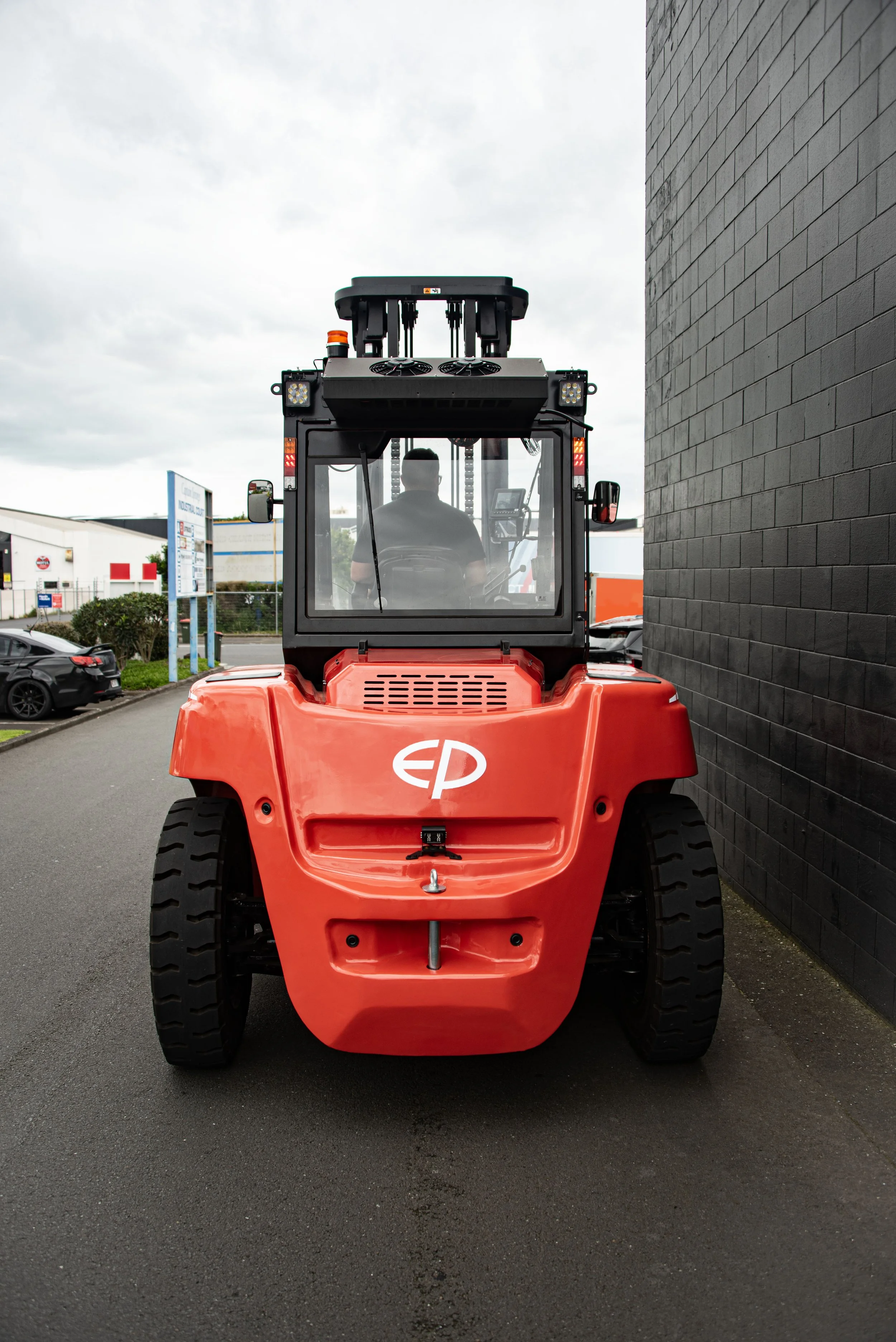
The short answer: for most operations running regular hours, an electric (lithium-ion) forklift is clearly the cheapest to run in New Zealand — roughly $1.50 an hour in electricity, against around $9–$15 an hour in fuel for LPG or diesel at today's NZ prices. Electric costs more to buy, but that running-cost gap is wide enough to repay the difference within the first year or two on a machine working steady hours. LPG or diesel can still be the smarter buy for low-hours work, the very heaviest continuous duty, or sites where there's no practical way to charge.
Below we break down the real costs — per hour, upfront, and over the life of the machine — and show exactly how we calculated them so you can check the maths against your own operation. For an exact comparison on a specific machine and your running hours, talk to our team and we'll run the numbers with you.
Running cost per hour, compared
Running cost is where the three fuel types separate most clearly. Electric forklifts convert cheap grid electricity into movement very efficiently, while LPG and diesel are exposed to fuel prices that are currently high in New Zealand. As a guide for a 2.5-tonne forklift on a typical single shift:
| Fuel type | Cost per hour | Best suited to |
|---|---|---|
| Electric (lithium-ion) | $1.30 – $2.70 | Indoor and outdoor work alike — warehousing, manufacturing, yards and transport — wherever there’s a practical way to charge. Low emissions and low noise. |
| LPG | $8.70 – $15.20 | Operations needing fast refuelling and maximum flexibility, or sites where charging access is limited. |
| Diesel | $7.00 – $14.50 | The heaviest capacities and continuous heavy-duty work, or sites without charging infrastructure. |
Upfront price vs lifetime cost
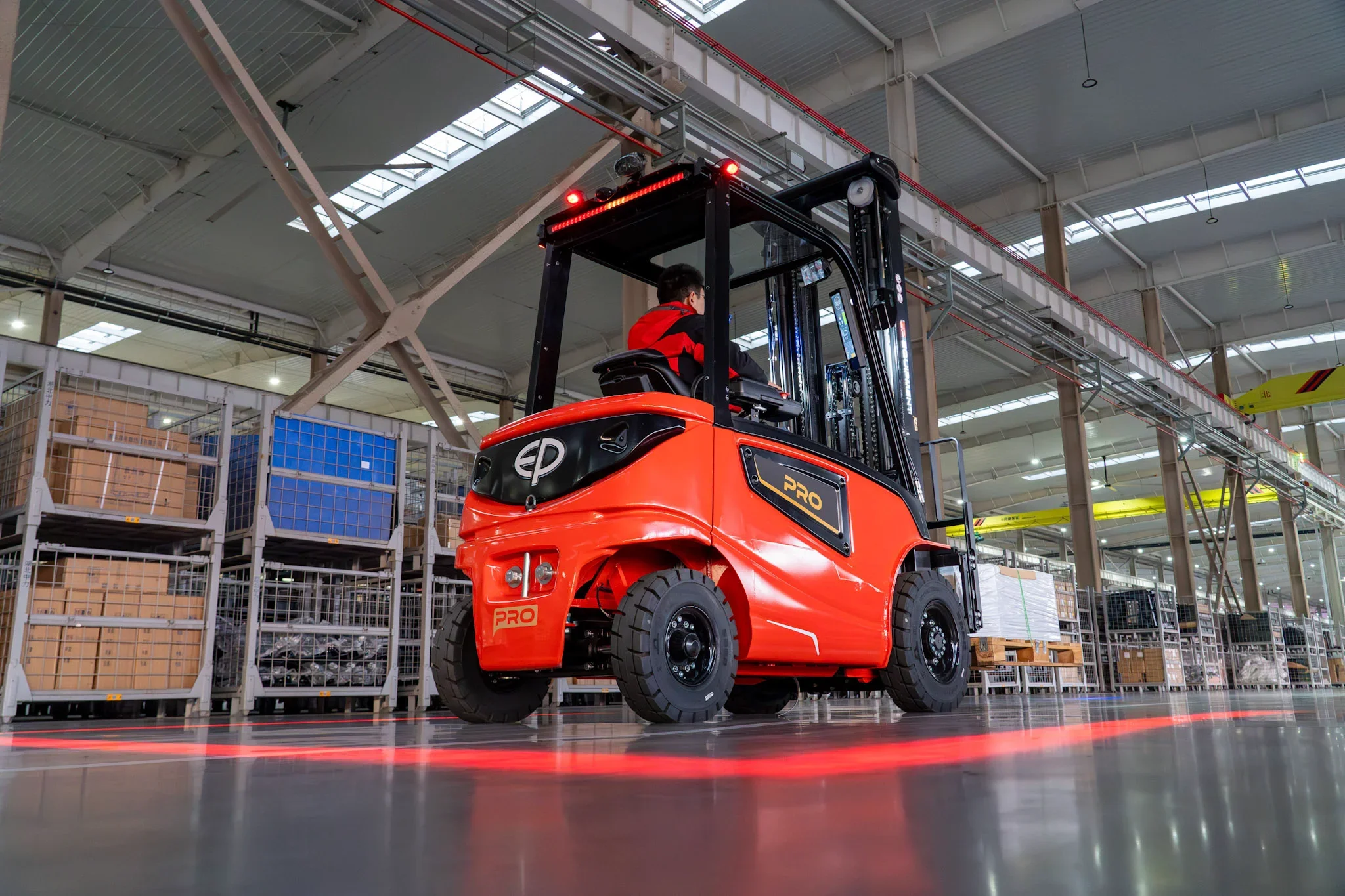
The cheapest forklift to buy is rarely the cheapest to own. As a rough guide, a new compact electric forklift in NZ starts around $25,000–$45,000, with medium-duty machines roughly $45,000–$85,000. A comparable new LPG or diesel forklift often starts a little lower — from about $23,000 — which is why they can look like the better deal on day one.
The picture changes the moment the machine starts working. With electricity costing a fraction of LPG or diesel per hour, an electric forklift on regular hours can save well over $10,000 a year in running costs alone — enough to repay its higher purchase price inside the first year or two, then keep saving for the rest of its life. For a forklift that only runs occasionally, the saving is smaller and a cheaper-to-buy LPG or diesel machine can make more sense.
A simple NZ example
| Over 5 years | Electric | LPG | Diesel |
|---|---|---|---|
| Running cost per hour | ~$1.65 | ~$10.85 | ~$8.70 |
| Annual cost (1,500 hrs) | ~$2,500 | ~$16,300 | ~$13,050 |
| Cost over 5 years | ~$12,400 | ~$81,300 | ~$65,250 |
Here's how the running costs stack up for a 2.5-tonne forklift working a typical single shift — around 1,500 hours a year — at the per-hour rates above.
On these figures the electric forklift runs about $13,800 a year cheaper than LPG and around $10,600 a year cheaper than diesel — roughly $69,000 and $53,000 respectively over five years. Even after allowing for electric's higher purchase price, the running-cost saving alone repays the difference quickly, and a two-shift operation roughly doubles it.
How we calculated these figures
| Fuel | Used per hour | NZ unit price | Cost per hour |
|---|---|---|---|
| Electric (Li-ion) | ~5.5 kWh* | $0.30/kWh | ~$1.65 |
| LPG | ~2.5 kg | $4.33/kg | ~$10.85 |
| Diesel | ~3.0 L | $2.90/L | ~$8.70 |
So you can check the maths against your own operation, here are the assumptions behind every number above. The formula is simple: running cost per hour = fuel or energy used per hour × unit price.
Maintenance, downtime and resale
Running cost isn't the only saving. A lithium-ion electric forklift has far fewer moving parts than an engine machine — no oil changes, filters, spark plugs, belts or exhaust work — so routine servicing is cheaper and there's less to go wrong. Lithium-ion batteries also charge fast and can be topped up during breaks, which removes the battery-swapping and long charge times that put some operators off older lead-acid machines.
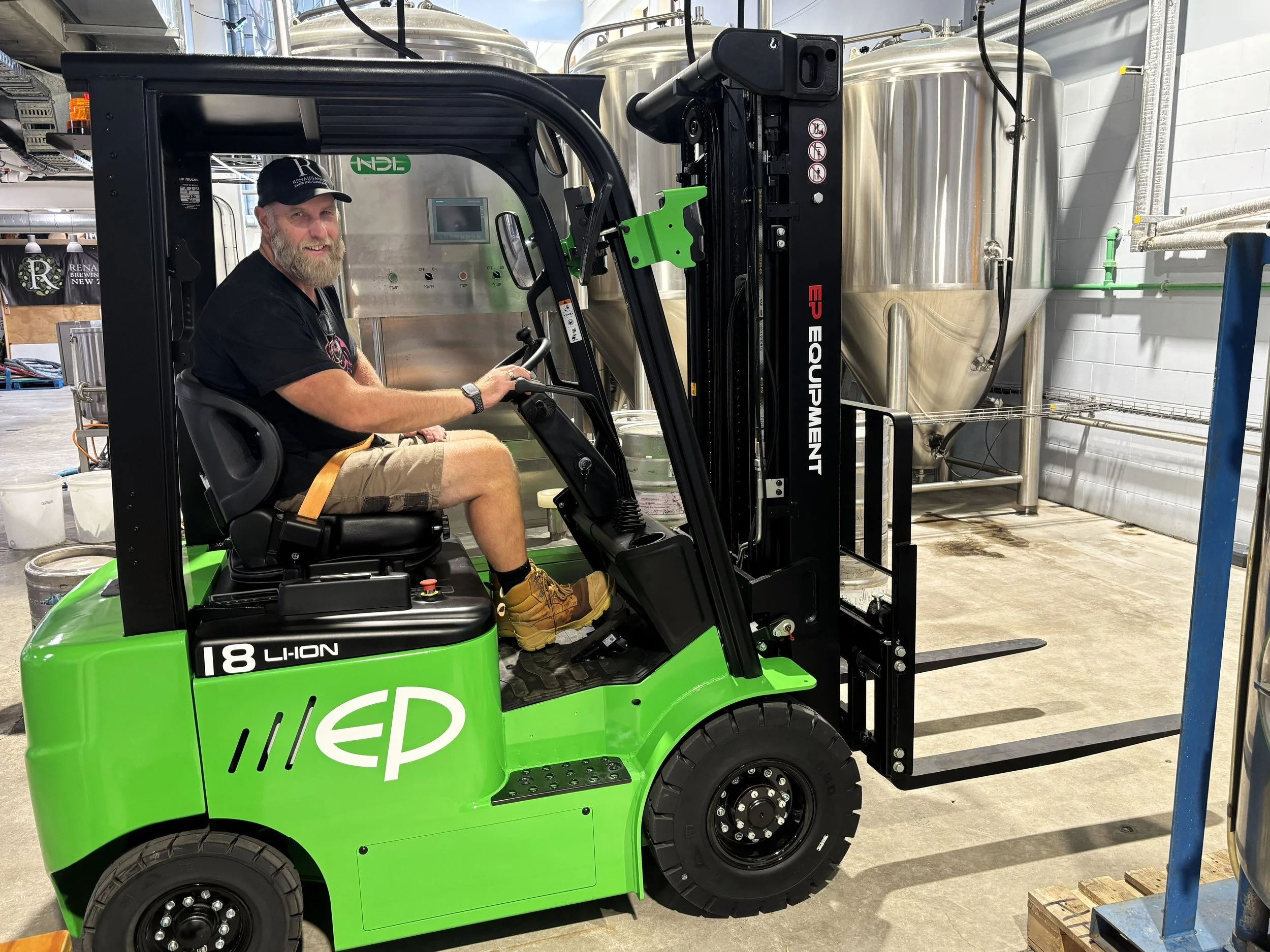
IC engined forklifts have their own strengths: refuelling takes seconds, and parts and servicing are available everywhere. The right answer depends on how — and how hard — you run the machine, and on whether you can charge on site.
When LPG or diesel still makes sense
Hours are low or unpredictable. If the forklift only runs occasionally, the running-cost saving is smaller and may not repay the higher purchase price.
There's no practical way to charge. This is the one real limitation on electric. Where a fixed charging point is genuinely difficult — a remote site, or no spare electrical capacity — LPG or diesel refuelling is simpler. Even then, a portable energy-storage charging bank can often fill the gap.
You need the heaviest continuous duty or fastest turnaround. For round-the-clock heavy lifting, or where seconds-long refuelling matters more than running cost, diesel and LPG still have a place.
Electric isn't automatically the answer, but imediately choosing IC forklifts for outside or because of capacity is old thinking. Modern EP lithium-ion counterbalance forklifts are built to work outdoors and handle the same duties and capacities as LPG and diesel, so the deciding factor is usually charging access rather than the application. LPG or diesel can still be the better choice when:
Why most NZ operations are moving to lithium-ion
For the common case — a forklift working regular hours with somewhere to charge — lithium-ion electric now wins comfortably on running cost, maintenance, emissions and operator comfort, indoors and outdoors alike. It's why so many New Zealand warehouses, distribution centres and yards are switching as they renew their fleets. EP Equipment's lithium-ion counterbalance range is built for exactly this — a match for LPG and diesel on the job, and far cheaper to run — and we can match a machine to your application and show you the total cost of ownership before you commit.
Call us on 0800 626-060 or fill out the form below and we can help with any questions you have about your application or upgrading your fleet to li-ion.
Frequently Asked Questions
-
For regular-hours work, electric is dramatically cheaper to run — roughly $1.50–$2.50 an hour in electricity versus around $9–$15 an hour in fuel for LPG or diesel at today's NZ prices. LPG or diesel can still suit low-hours work or sites where charging isn't practical, where electric's higher purchase price takes longer to pay back.
-
Yes. EP's lithium-ion counterbalance forklifts are built for outdoor use as well as indoor, and match LPG and diesel for everyday yard and transport work. The main thing to plan for is charging — and where a fixed charging point is difficult, a portable energy-storage charging bank can often solve it. Only the very heaviest continuous-duty or rough-terrain jobs still lean towards diesel.
-
It depends on how many hours you run. With LPG and diesel running costs where they are, the higher upfront cost of an electric machine is often recovered within the first year or two for a forklift doing regular daily shifts — and faster again for multi-shift operations. We can calculate it for your exact usage.
-
Yes. Modern lithium-ion forklifts — including EP's counterbalance range — match LPG and diesel on lifting performance across common capacities, indoors and out, while adding zero emissions, lower noise and lower running costs.
-
Often, yes — especially for machines running regular hours, where the running-cost and maintenance savings add up quickly at current LPG prices. The best approach is usually to switch as machines come up for renewal, planning charging as you go. We're happy to assess your fleet and show you where it pays off first.
-
Every operation is different. Tell us what you lift, where, and for how many hours, and we'll compare electric, LPG and diesel options on total cost of ownership — not just sticker price — and recommend the right machine. Call us or get in touch for a no-obligation assessment.
Find out more….